Conversation Between Control and Surrender.
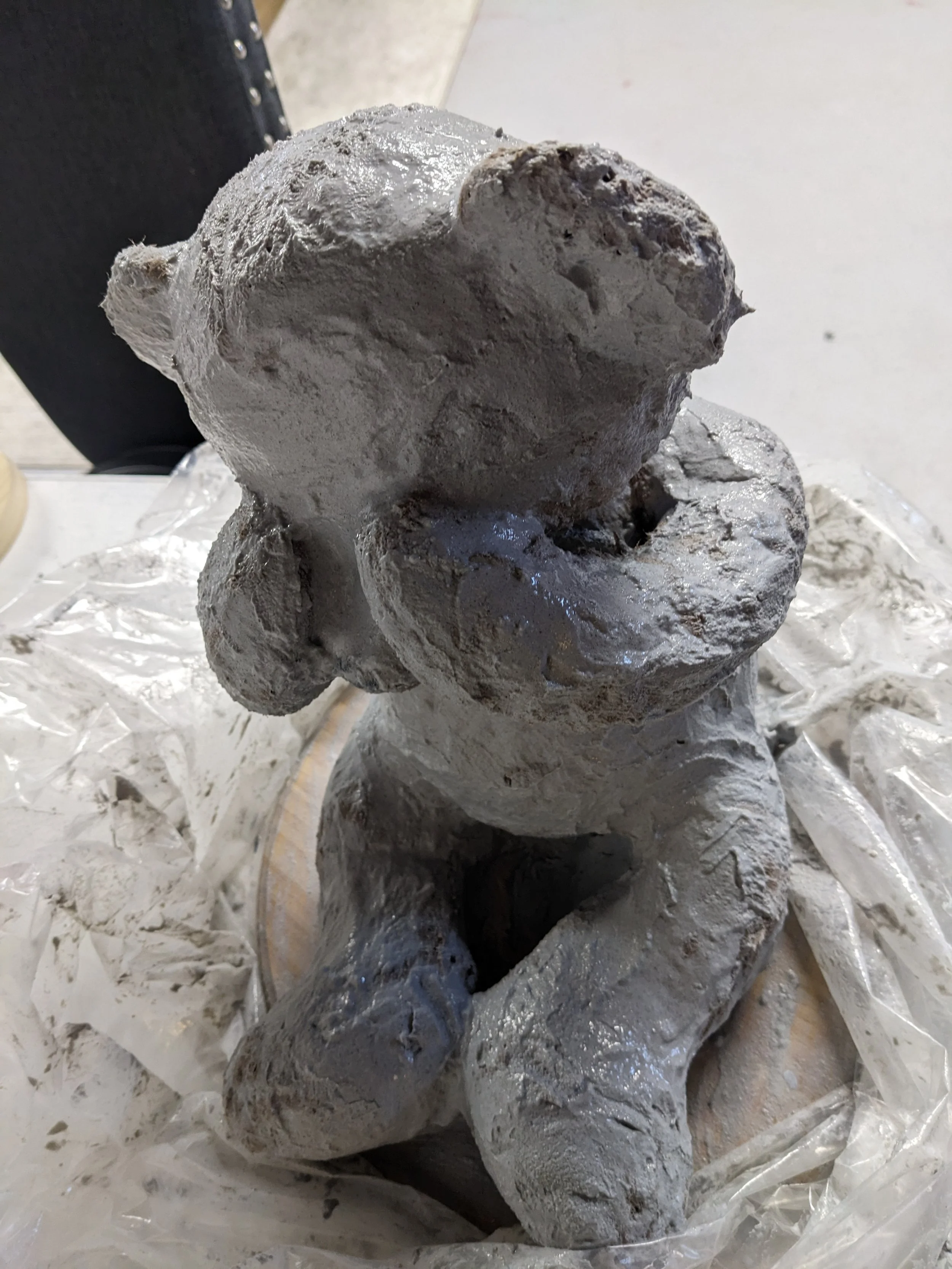
Sculpting with concrete feels like working with something that remembers both fluidity and permanence at once. At first, it behaves almost like clay, wet, heavy, responsive to pressure. You can push into it, carve shallow gestures, build it up in rough layers. But unlike clay, there’s a quiet urgency. Time is always moving forward. The surface that yielded so easily minutes ago begins to resist, to stiffen, to decide what it will keep.
The process starts long before the material is mixed. You think in terms of structure, armatures, molds, supports. Concrete doesn’t float into shape; it needs guidance, containment. Sometimes you pour it into a mold and wait, letting the form emerge only after the shell is removed. Other times you work directly, shaping it by hand, catching it in that narrow window between liquid and stone.
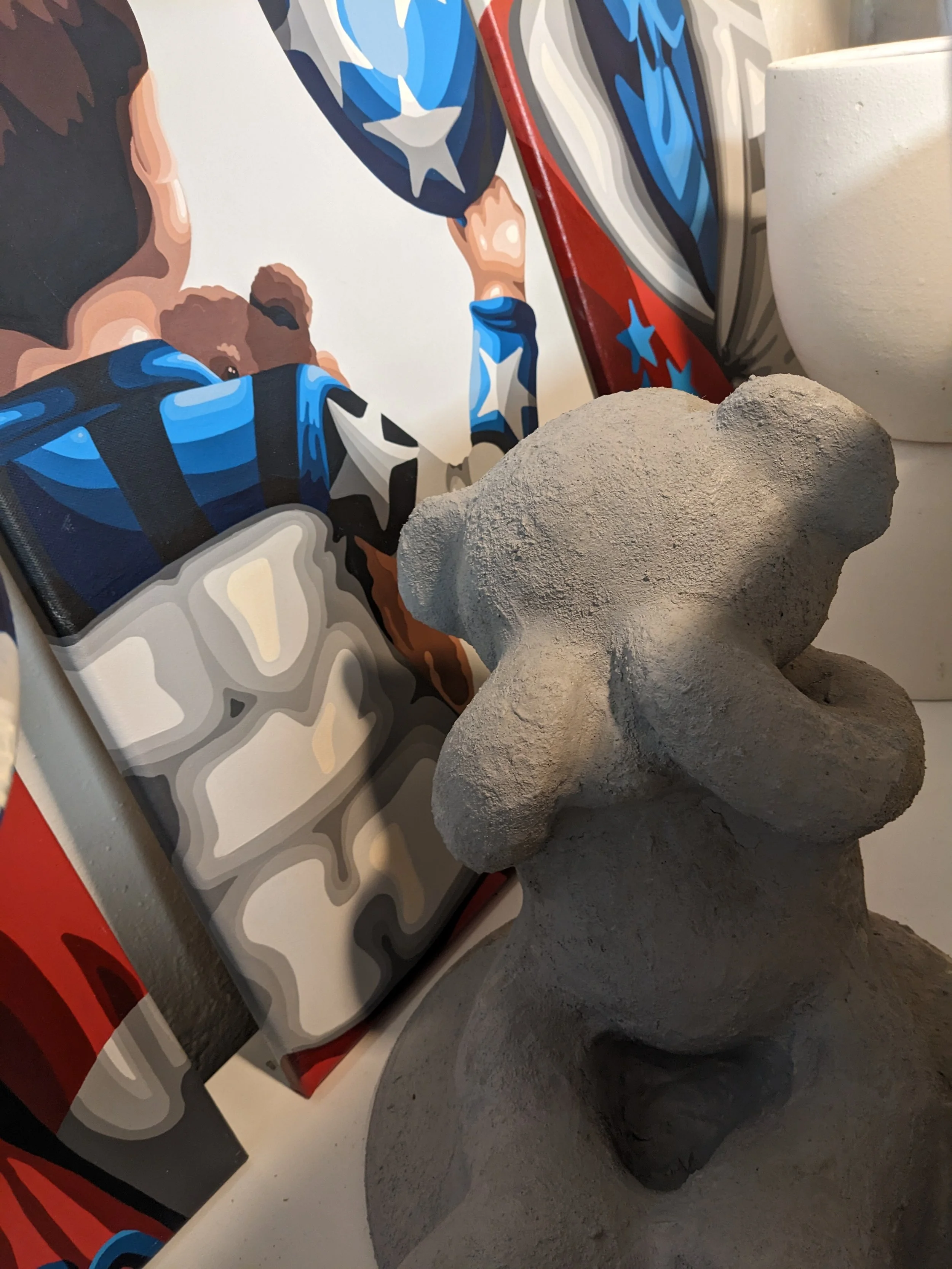
Texture becomes one of the most powerful tools. You can leave it raw and industrial, with visible pores and air pockets, or refine it to a smooth, almost skin-like surface. Every mark matters because once it cures, it becomes history locked in place, unchangeable.
There’s also something deeply physical about the process. The weight of the material, the mixing, the lifting, it demands presence. You don’t just design a sculpture; you wrestle it into existence. And then, slowly, it stops moving. The chemical reaction completes, the moisture evaporates, and what was once soft becomes solid, enduring.
In the end, sculpting with concrete is a conversation between control and surrender. You guide it, but it has its own rules. And when it’s finished, it holds not just the form you intended, but every moment of the process that brought it there.